
How to Talk to Your Child About ASD: Explained in Simple Terms
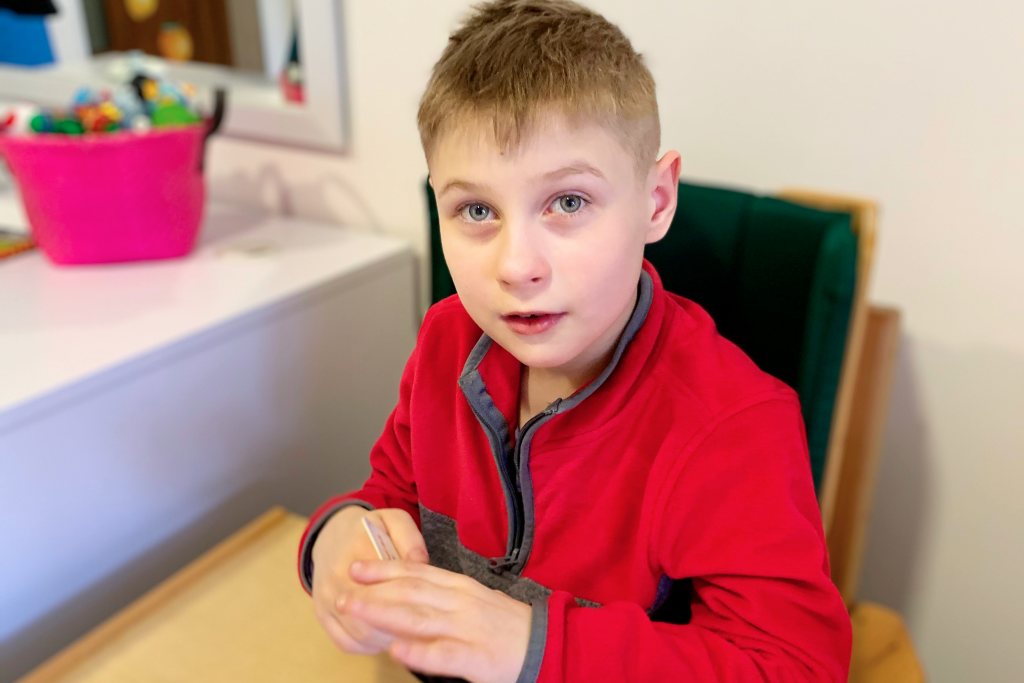
Autism spectrum disorder is neither a disease nor a sentence. It is the way some people perceive and interact with the world. If you have a child with autism in your environment, it is important to explain to other children what it means in order to build tolerance and understanding. But how to do this simply and clearly?
1.Start with the fact that everyone is different.
Children find it easier to understand new information if it relates to familiar concepts. Start with the fact that we are all different: some have blue eyes, some brown; some like ice cream, some like chocolate. Similarly, people with autism may see and experience the world differently.
Example explanation:
-“Imagine that you are listening to your favorite music on headphones, and someone is talking loudly next to you. You may not immediately hear what they are saying, or it will be difficult for you to concentrate. It’s the same with children with autism – they have a harder time taking in information when there are a lot of sounds, movements and people around them.”
2.Explain that some things can be more difficult.
Tell your child that children with ASD may have a harder time understanding jokes, game rules or the feelings of others. But this does not mean that they do not want to be friends, play or do not feel emotions.
Example explanation:
-“You know how it is – when someone tells you a riddle and you do not immediately understand what it is? That’s how some children with autism may not immediately understand when they are told something or when someone is joking. Each of us is completely different and this is normal.”
3.Talk about the peculiarities of communication.
Some children with autism may not make eye contact, do not respond immediately or do not like hugs. This does not mean that they are rude or indifferent – they just feel more comfortable that way.
Example explanation:
-“Imagine someone talking to you very loudly – you may feel uncomfortable. Some children with autism may feel the same way when they are hugged or forced to look into their eyes. We need to respect other people's comfort zones."
4.Emphasize strengths.
Autism is not only about difficulties, but also about unique abilities. Some children with autism may have excellent memories, be very attentive to details, or have special talents.
Example explanation:
-"Children with autism can be very good friends. They often remember what you like, can observe things very carefully, or are real experts in what interests them! Don't be afraid to communicate and be friends with them."
5.Teach kindness
The main thing is to explain to your child that children with autism are just like everyone else, and they also want to have friends. You just need to respect their differences and not laugh at them.
Example explanation:
-"Imagine that it is difficult for you to do something, and everyone around you is laughing. It would be unpleasant, right? Therefore, if you see that someone is having a hard time, it is better to help or just be a good friend.”
Conclusion:
Talking about ASD with a child is not only explaining someone else’s characteristics, but also cultivating empathy, tolerance and understanding for the sake of a happy childhood and a comfortable future for every child. The main thing is to speak simply, honestly and with love. Then our world will become kinder and more comfortable for everyone.